How MMORPGs Are Revolutionizing Educational Games: Engaging Learning Through Interactive Worlds
Introduction: The Shift in Learning Paradigms
In recent years, the blend of gaming and education has gained undeniable traction. MMORPGs (Massively Multiplayer Online Role-Playing Games) are at the forefront of this evolution, offering immersive experiences that captivate learners. This reshaping of educational frameworks presents innovative pathways for knowledge acquisition, making learning not just effective but also entertaining.
What Are MMORPGs?
Before diving deeper, let’s clarify what MMORPGs entail. These are online games featuring large numbers of players.
- Players create characters and develop their skills
- They can interact with each other in real-time
- Games offer quests, challenges, and collaborative opportunities
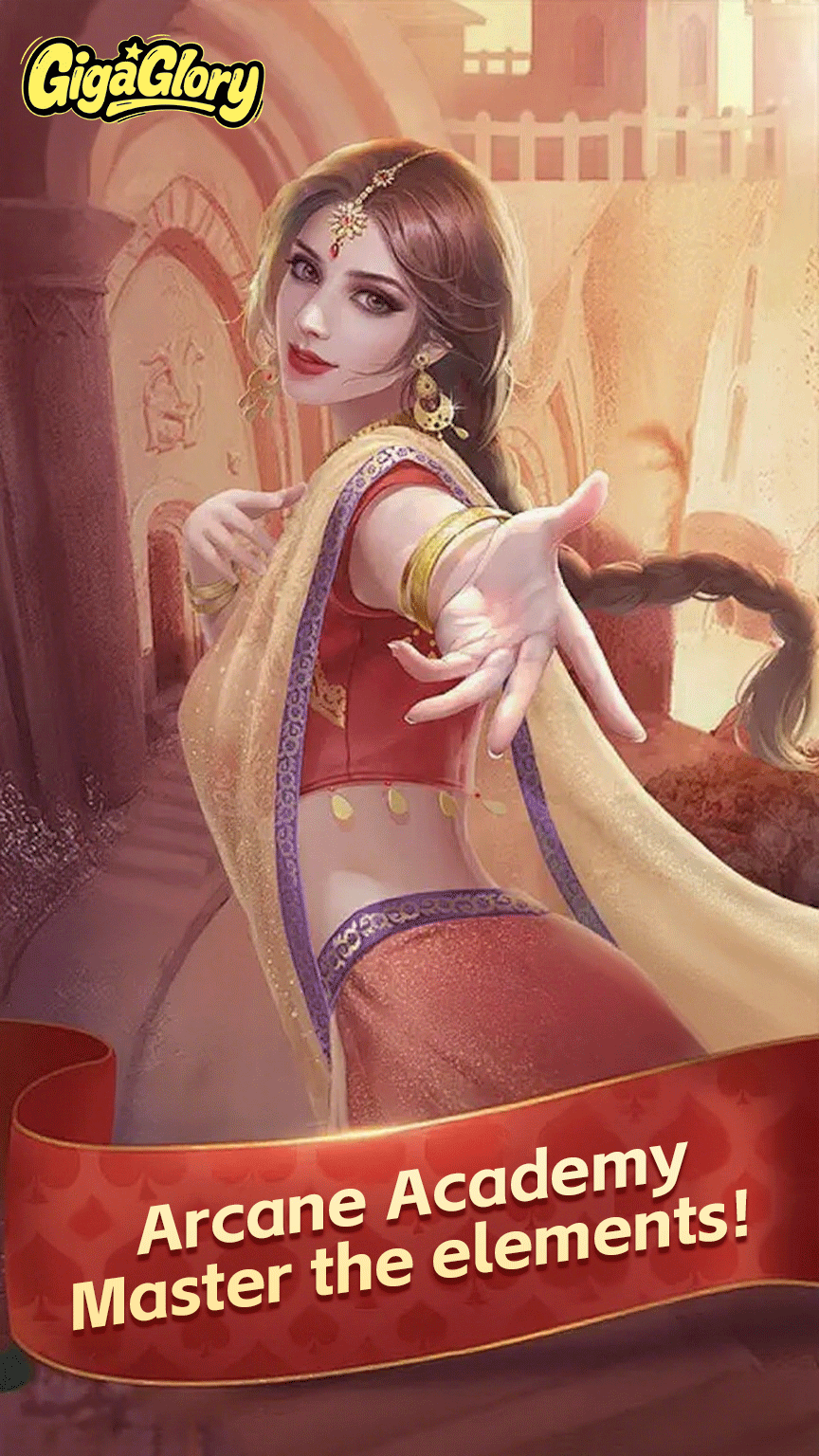
This interaction fosters a robust community and compels players to work together to achieve goals—an aspect that makes them exceptionally suited for educational environments.
The Appeal of MMORPGs in Education

So why are MMORPGs attractive for educational game development?
- Interactivity: These games encourage active participation.
- Reward Systems: Immediate feedback through achievements keeps players motivated.
- Real-world Applications: Skills gained are transferable to real-world situations.
Bridging the Gap Between Learning and Fun

MMORPGs blur the line between learning and playing. This intersection is pivotal, especially for younger audiences who might find traditional educational setups tedious. The concept of “serious games” combines enjoyment and essential educational value, making the content stick.
Examples of Successful Educational MMORPGs
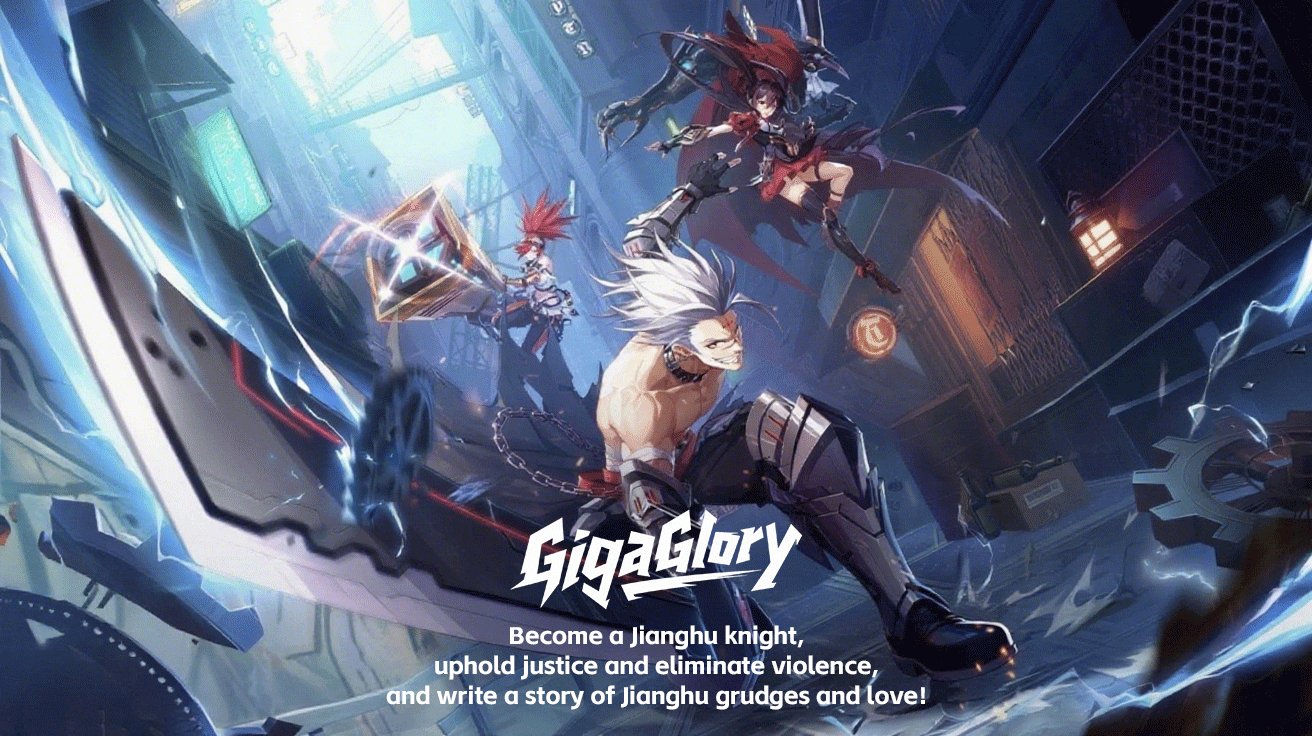
Here’s a quick rundown of some MMORPGs making waves in education:
| Game Title | Purpose | Key Features |
|---|---|---|
| World of Warcraft | Team collaboration and problem-solving | Group quests, resource management |
| Epistory | Writing and reading comprehension | Story-driven gameplay, typing accuracy |
| Quest Atlantis | Environmental science and social skills | Interactive quests, community engagement |
How MMORPGs Enhance Learning Outcomes
- Skill Development: Players hone critical thinking and problem-solving skills.
- Collaboration: Engaging with others builds teamwork and communication abilities.
- Persistence: Overcoming challenges cultivates resilience in learners.
Challenges in Integrating MMORPGs into Education

Despite their potential, there are hurdles to address, including:
- Accessibility: Not all students can access the necessary technology.
- Cultural Perceptions: Some may regard gaming as frivolous.
- Screen Time: Concerns about excessive screen time can deter engagement.
Designing and Implementing Education-Centric MMORPGs
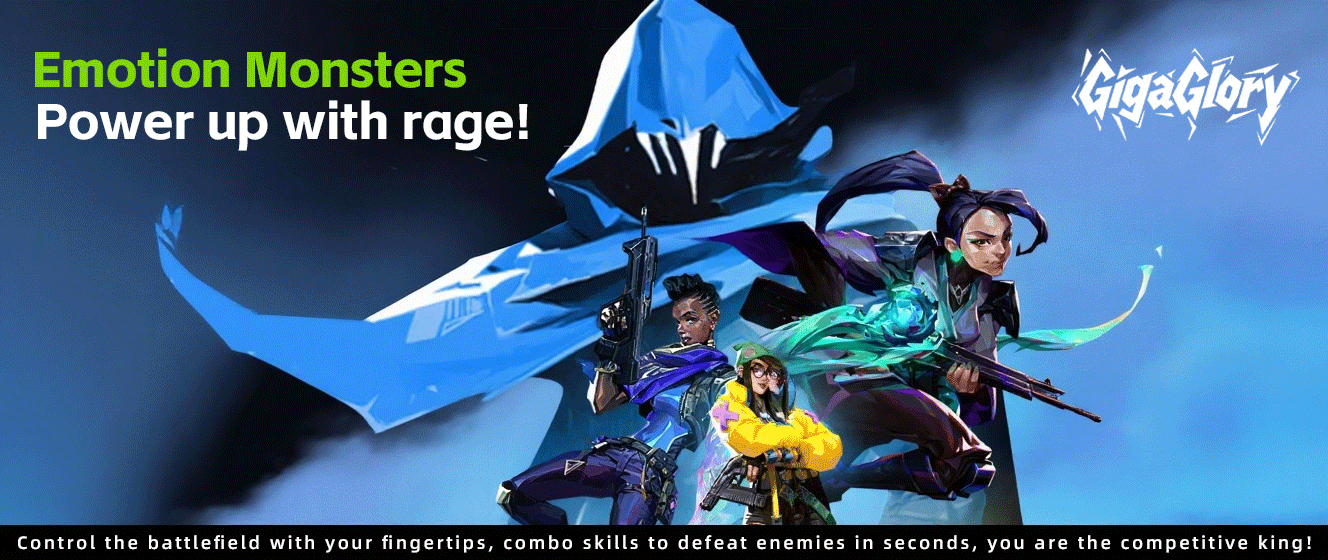
The development of effective educational MMORPGs requires a thoughtful approach:
- Aligning game objectives with learning outcomes.
- Incorporating diverse learning styles to cater to a broad audience.
- Encouraging social interaction and teamwork.
Engagement Strategies in Educational MMORPGs

Engagement is crucial in maintaining attention and motivation. Here’s how to keep learners hooked:
- Personalization of learning paths based on player progress.
- Incorporating competition through leaderboards to foster motivation.
- Offering in-game achievements linked to real-world accomplishments.
Impact on Traditional Learning Environments
Integrating MMORPG elements into conventional education can profoundly alter learning outcomes. Traditional lectures can become more interactive, urging learners to apply knowledge practically. This engagement can elevate the information retention rate significantly.
Using EA Sports FC 24 as an Educational Tool
While primarily a sports simulator, EA Sports FC 24 can also contribute to learning. Here are a few interesting ways:
- Strategic thinking through team management.
- Statistical analysis by interpreting game performance data.
- Comprehending sports dynamics and teamwork.
Shogun 2 and Total War’s Educational Value
Despite being marketed as entertainment, the statement "Shogun 2 was the last good Total War game" implies an underlying appreciation for historical education. Players engage with tactics, diplomacy, and resource management, providing a real-time historical context that encourages learners to reflect on history through active participation.
Feedback and Iteration in Educational Game Design

For MMORPGs to remain relevant in education, designers must consistently seek feedback and iterate on game features. Engaging with players to understand their experiences can lead to valuable insights to refine the games further.
Conclusion: The Future of Education in MMORPGs

As the educational landscape continues to evolve, the integration of MMORPGs as learning tools is becoming increasingly essential. They not only offer immersive experiences but also deliver measurable outcomes and skills relevant to today’s world. By merging entertainment with education, we can create environments that not only teach but also inspire. The future holds great promise, leveraging technology in a way that resonates deeply with learners across the globe.
Frequently Asked Questions (FAQs)
1. Can MMORPGs really enhance educational outcomes?
Absolutely! They provide interactive environments that enhance engagement and active learning, leading to better retention.
2. What age group can benefit from educational MMORPGs?

While they typically appeal to teens and young adults, educational MMORPGs can be designed for all age groups.
3. Are there any risks in using MMORPGs in education?
Yes, potential risks include overexposure to screens and the balance between gaming and traditional learning methods.
4. How do developers ensure the quality of educational MMORPGs?
Continuous feedback loops and involvement of educational experts help maintain quality and relevance.
5. Is it expensive to implement MMORPGs in educational settings?
The costs can vary widely; however, many free platforms exist, offering affordable entry points for schools.